Don t Feed the Goldfish After Midnight Review
As a designer who has spent years translating digital files into tangible thread on fabric, I approach every new machine embroidery design with a mix of curiosity and skepticism. The market is flooded with generic patterns, but occasionally, a file arrives that sparks genuine creative potential. That is exactly what happened when I opened the Don t Feed the Goldfish After Midnight file. This piece sits firmly in the Illustrations category, yet it carries a narrative weight that elevates it above standard decorative motifs. Before you download this embroidery file for your next client order or Etsy listing, let’s break down how it actually performs in a real-world stitching scenario.
The First Impression: Whimsy Meets Warning
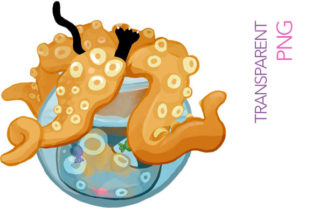
When I first previewed Don t Feed the Goldfish After Midnight, the mood was immediately clear. It strikes a perfect balance between whimsical charm and a slightly mischievous warning. The layout is not overly cluttered, which is a relief for many modern designs that try to cram too much detail into a small space. The visual personality suggests a story—a late-night kitchen scene where something playful is about to happen. For a handmade product line, this kind of storytelling is gold. It invites the customer to engage with the item, wondering about the context behind the phrase.
The shape of the text and the accompanying illustration elements work together harmoniously. Unlike some designs where the lettering fights with the graphics, here they complement each other. This makes it an excellent candidate for custom apparel or home decor items where the message needs to be legible at a glance. The level of detail is sufficient to hold interest up close but remains clean enough to stitch without excessive backtracking or thread breaks.
A Real-World Test: The Custom Tote Bag Scenario
To truly evaluate this design, I imagined a specific use case: creating a limited-run collection of canvas tote bags for a local boutique. The goal was to produce a quirky, conversation-starting accessory that would appeal to pet lovers and design enthusiasts alike. I visualized Don t Feed the Goldfish After Midnight centered on a natural-colored organic cotton tote. The contrast of dark thread against the light fabric would make the fill stitch pop, while the satin stitch on the lettering would add a professional sheen.
In this scenario, the design shines because it feels personal. If you are an Etsy seller looking to stand out in a sea of generic "I Love Cats" or "Coffee Lover" shirts, this design offers a unique angle. It fits perfectly as a holiday gift or a fun stocking stuffer. Customers buying these items aren't just purchasing a bag; they are buying a bit of humor and character. The finished product would look cohesive and well-thought-out, enhancing the perceived value of your shop. When I mentally placed this on a sweatshirt embroidery project, specifically on the chest pocket area, it maintained its integrity without overwhelming the garment.
Navigating Fabric and Hoop Challenges
While Don t Feed the Goldfish After Midnight is versatile, it is not immune to the physics of embroidery. As a reviewer, I must point out where caution is required. If you plan to use this on textured fabrics like heavy denim or thick fleece, you need to pay close attention to the stitch density. Dense areas might pull on the fabric if the stabilizer isn't robust enough. Always test the design on scrap fabric first to ensure the tension holds up.
For those considering this for caps or curved surfaces, the curvature can distort the text if the hoop size isn't appropriate. The design includes both illustrative elements and typography, so ensuring the text remains readable on a rounded brim is critical. Similarly, if you are working with thin fabric or stretchy materials like jersey knit, the risk of puckering increases. A cut-away stabilizer is non-negotiable here. Without it, the intricate details of the goldfish and the sharp edges of the letters could become muddy after the first wash.
Another consideration is dark fabric. While the design looks great on white, stitching it on black or navy requires careful selection of thread colors. You may need to adjust the underlay settings to ensure the top stitches show up clearly. If you are making personalized gifts like pillow covers or tea towels, remember that these items face frequent washing. The durability of the running stitch and fill areas will determine how long the design stays crisp.
Professional Notes for Designers and Makers
If you are a small business owner or a creative entrepreneur planning to sell items featuring Don t Feed the Goldfish After Midnight, there are practical steps you must take. First, verify the licensing terms. Just because you have the digital embroidery file does not automatically grant you commercial rights to sell the finished goods or the file itself. Check whether the license allows for commercial embroidery projects or if it is restricted to personal use.
Secondly, always review the hoop size requirements before committing to a project. If the design is too large for your machine's hoop, you will have to split the pattern, which can lead to alignment issues and visible seams in the final product. It is also wise to create printable mockups in black and white to check the contrast and readability before spending hours stitching. Compare how the design looks on both light and dark backgrounds to see which presentation sells better for your brand.
Finally, consider the broader application. Could this work as an embroidered patch? Would it fit on a baby bib or a nursery mobile? The answer is likely yes, provided you scale it correctly and adjust the thread colors to match the aesthetic of the room or outfit. The key to success with a design like this is understanding that it is more than just a picture; it is a design asset that adds value to your brand consistency and buyer engagement.
Final Verdict on Visual Appeal and Value
Don t Feed the Goldfish After Midnight is a strong contender for any portfolio looking to inject personality into their work. It enhances the visual appeal of custom apparel and home goods by offering a witty, memorable statement. For the craft business, using a design with such a distinct voice builds trust with customers who appreciate unique, high-quality handmade items. It moves beyond simple decoration to become a conversation piece.
Whether you are decorating a boutique product, creating a wedding gift, or stocking up inventory for a craft fair, this design has the potential to perform well. However, its success relies on your execution. Pay attention to your stabilizer choices, respect the limits of your fabric, and always test your settings. If you do the groundwork, Don t Feed the Goldfish After Midnight will deliver a finished product that looks professional, feels durable, and delights the end user. It is a reminder that in the world of embroidery, the best designs are those that tell a story through thread.