Spring Vibes: A Designer's Real-World Review
As a designer who has spent years navigating the gap between digital mockups and physical stitched reality, I approach every new machine embroidery design with a mix of excitement and skepticism. The market is flooded with generic assets, so finding a piece that actually translates well to fabric is a specific skill in itself. Today, I am evaluating Spring Vibes, an asset categorized under Illustrations, to see if it holds up under the scrutiny of real commercial use. This isn't just about how it looks on a screen; it is about how it behaves when your needle hits the thread.
First Impressions: Mood and Visual Weight
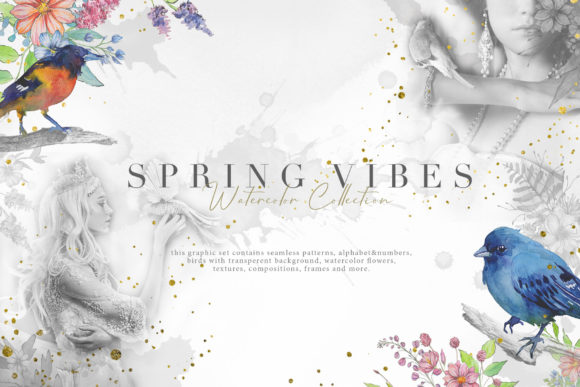
When you first open the file for Spring Vibes, the immediate impression is one of airy optimism. The layout suggests a theme perfectly suited for seasonal transitions, capturing that fleeting moment when winter finally breaks. Unlike many designs that rely on heavy saturation or overly complex layering, this illustration feels balanced. The visual personality is soft yet distinct, which is crucial for embroidery where clarity often gets lost in translation from vector to stitch.
The shape and flow of the elements suggest it was designed with movement in mind. For a small business owner looking to refresh their inventory for the season, this kind of visual rhythm is essential. It does not feel static. However, as a reviewer, my eye immediately goes to the detail level. In the world of digital product sellers, high detail can be a double-edged sword. If the lines are too fine, they may vanish on textured fabrics. With Spring Vibes, the lines appear robust enough to survive the stitching process without turning into muddy blobs, provided the correct settings are used.
Testing the Waters: A Real Project Scenario
To truly understand the utility of this design, let us place it in a realistic scenario. Imagine you are preparing a custom embroidered tote bag for a local boutique client. These bags need to withstand daily wear, frequent washing, and the friction of being tossed into cars. You want a design that pops but also endures.
If I were using Spring Vibes for this tote bag project, I would likely position it near the top corner or centered on the front panel. The illustrative nature of the design makes it versatile enough to sit comfortably on a natural canvas background. The mood it creates is inviting, signaling to the customer that this is a handmade product crafted with care. In a crowded craft fair or on an Etsy listing, this kind of aesthetic differentiation helps build brand consistency. Customers react positively to designs that feel cohesive rather than slapped on. The finished product would likely command a higher price point because the design elevates the perceived value of the base material.
Alternatively, consider a sweatshirt embroidery application. Here, the challenge is different. The fabric is thicker, and the texture can interfere with the needle penetration. Spring Vibes seems adaptable here, especially if you adjust the stabilizer strategy. The design's structure suggests it could work well as a chest logo or a larger back print, depending on the scale. For a personalized gift, such as a baby item or a nursery decor pillow cover, the gentle aesthetic fits perfectly. Parents look for softness and charm, and this illustration delivers exactly that without feeling childish or overwhelming.
Navigating Fabric Challenges and Limitations
While Spring Vibes shows promise, no design is universally perfect. As experienced designers know, context is everything. There are specific situations where this design requires careful handling. For instance, on stretchy fabrics like jersey knit, the tension must be managed meticulously. If the hoop size is too large relative to the fabric's elasticity, the design may pucker after stitching. Always test the design on scrap fabric first to gauge how the stitches settle.
Textured fabrics present another hurdle. On a rough linen or a thick wool blend, the finer details of the illustration might get lost. In these cases, you might need to increase the stitch density slightly or simplify certain areas during the digitizing phase if you have access to edit the file. Dark fabrics also require attention. If you plan to use this on black cotton, the thread colors must offer sufficient contrast. A light pastel scheme might disappear against a dark background unless you use a backing or a dense underlay fill stitch.
Furthermore, curved surfaces like caps demand precision. While Spring Vibes is beautiful, placing it on a cap brim or the rounded crown of a hat can distort the geometry if the hooping is not secure. Detailed corners and tiny lettering, if present in the full asset set, should be inspected closely. Tiny elements often break down during the stitching process, leading to thread breaks or misalignment. If the design includes intricate running stitch details, ensure your machine can handle the speed and tension required to keep those threads intact.
Impact on Brand Value and Customer Trust
For the creative entrepreneur, every stitch counts toward your reputation. Using a high-quality machine embroidery design like Spring Vibes directly affects your brand's professionalism. When a customer receives a finished product, they judge the quality by the neatness of the edges, the color vibrancy, and the overall presentation. A design that stitches cleanly signals that you take pride in your work.
This is particularly important for Etsy sellers and small shop owners. Your digital product previews and printable mockups need to reflect the actual outcome. If the mockup promises perfection but the physical item looks messy, customer trust erodes quickly. By vetting designs like this one before committing to a production run, you protect your brand image. The visual appeal of the design enhances the giftability of the item, making it more likely to be shared on social media, which drives organic engagement.
Practical Notes for the Embroidery Designer
Before you commit to selling items featuring Spring Vibes, follow these practical steps to ensure success:
- Test on Scrap Fabric: Never skip the test run. Stitch the design on the exact fabric you intend to use to check for puckering and thread tension.
- Check Thread Color Contrast: Ensure the thread colors stand out against the fabric. Use a color chart to verify visibility in both light and dark scenarios.
- Review Stitch Density: Inspect the file to ensure the fill stitch and satin stitch areas are balanced. Too much density can stiffen the fabric; too little can show the background.
- Confirm Hoop Size: Verify that the design fits within your standard hoop sizes. If it is too large, you may need to resize it, which can affect the stitch count and clarity.
- Inspect Small Details: Zoom in on the digital file to check for any tiny elements that might not stitch well on a home or industrial machine.
- Use Proper Stabilizer: Choose the right stabilizer for your fabric type. A cut-away stabilizer is often better for stretchy fabrics, while tear-away works well for stable cottons.
- Verify Licensing: Before selling finished products or offering this as a digital embroidery file, confirm the licensing terms. Ensure you have the rights to use it for commercial embroidery projects.
- Compare Backgrounds: Test the design on various fabric textures to see how it adapts. What works on a smooth tote bag might need adjustments on a fuzzy blanket.
In conclusion, Spring Vibes offers a strong foundation for seasonal projects, provided you apply the necessary technical expertise. It is a design that rewards careful planning and execution. Whether you are creating a holiday embroidery collection, a personalized gift, or expanding your line of custom apparel, this asset has the potential to elevate your work. Just remember that the magic happens not just in the file, but in how you bring it to life on the fabric.