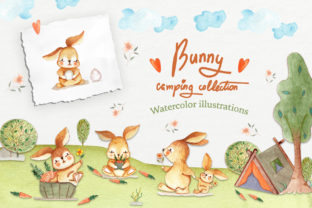
Reviewing the Bunny Camping Collection for Real Projects
As a designer who has spent years translating digital files into tangible thread on fabric, I approach every new machine embroidery design with a mix of excitement and skepticism. The market is flooded with generic assets, so finding a collection that truly resonates with current trends while holding up under the scrutiny of a commercial needle is rare. When I first opened the Bunny Camping Collection, my immediate reaction was to see if it lived up to its charming premise or if it would fall apart once stitched onto a real garment. This review breaks down how this set performs in actual production scenarios, from small shop merchandise to personalized gifts.
First Impressions: Mood and Visual Personality
The Bunny Camping Collection immediately establishes a cozy, nostalgic mood that feels perfectly timed for spring and summer crafting seasons. Unlike many designs that rely on overly complex shading, this set leans into a clean, illustrative style that translates beautifully into thread. The shapes are distinct without being cluttered, which is a critical factor when you are planning a custom apparel line or a series of handmade products. The visual personality suggests adventure and comfort, making it an ideal candidate for items like nursery decor, outdoor-themed tote bags, and seasonal holiday embroidery.
What stands out most is the balance between detail and stitchability. In the Illustrations category, there is often a temptation to pack too much information into a single file, leading to registration issues or excessive thread consumption. Here, the layout feels intentional. The bunnies and camping gear are rendered with enough definition to be recognizable at smaller scales but retain their character when enlarged. This versatility is exactly what a craft business owner needs when scaling a product line across different hoop sizes.
Real-World Application: From Sweatshirts to Tote Bags
To truly evaluate the utility of the Bunny Camping Collection, I visualized a specific project: creating a limited run of embroidered patches and sweatshirt back prints for a local boutique. The goal was to produce high-quality finished product items that would appeal to parents looking for unique baby clothes or adults seeking quirky, nature-inspired fashion.
When considering sweatshirt embroidery, the design's structure holds up well. The bold outlines suggest a strong use of satin stitch for borders, which adds a professional sheen and durability to the piece. For a tote bag design, the slightly whimsical nature of the bunnies fits the casual aesthetic perfectly. Imagine a canvas bag featuring a bunny peeking out of a tent; the contrast between the sturdy fabric texture and the soft, rounded lines of the embroidery creates a tactile appeal that customers love to touch. This tactile quality is often the deciding factor for an Etsy seller trying to differentiate their listings from mass-produced goods.
For baby embroidery projects, such as receiving blankets or onesies, the design offers a gentle, non-threatening motif. Parents are always looking for soft, nature-based themes for their nurseries, and this collection delivers that without feeling cliché. The ability to adapt these designs for personalized gift orders—perhaps adding a child's name below the scene using a complementary font—adds significant value to the digital embroidery file.
Navigating Fabric Challenges and Stitch Density
While the Bunny Camping Collection is robust, experienced designers know that no design is universally perfect without adjustments. There are specific situations where caution is required to maintain the integrity of the work. If you plan to use this on thin fabrics like silk or light linen, the stitch density might need to be reduced to prevent puckering. Always test the design on scrap fabric first to ensure the stabilizer choice supports the weight of the thread.
Working with textured fabrics, such as heavy fleece or denim, requires careful consideration of the background fill. The fill stitch areas in this collection are generally open enough to allow the fabric grain to show through slightly, which can actually add depth to the design. However, on dark fabrics, the default thread colors may not provide enough contrast. As a rule, I always recommend testing the design in black and white mockups before committing to expensive thread. This helps visualize whether the details will get lost against a navy or charcoal background.
Curved surfaces, like caps or hats, present another challenge. While the main elements of the Bunny Camping Collection are adaptable, tiny details near the edges might distort if the cap curve is too tight. It is best to reserve the more intricate versions of these designs for flat surfaces like pillow covers, aprons, or tea towels, where the stitching can lay perfectly flat. For embroidered patch applications, the design works exceptionally well because the backing provides the necessary stability for dense stitching.
Commercial Viability and Brand Consistency
For small shop owners and creative entrepreneurs, the consistency of a design collection is vital for building a brand. The Bunny Camping Collection offers a cohesive look that allows you to create a full range of commercial embroidery products without the visual jarring of mismatched styles. Whether you are selling a handmade product at a craft fair or listing items online, having a unified theme increases customer trust and perceived value.
The design assets within this collection are also excellent for creating printable mockups to showcase your work before production. Clear, high-quality previews help buyers visualize the final result, reducing hesitation and increasing conversion rates. However, before selling any finished items or reselling the embroidery file itself, you must confirm the licensing terms. Not all designs come with commercial rights, and using them incorrectly can lead to legal issues for your business.
Practical Designer Notes for Success
- Test First: Always run a test stitch on a scrap piece of the actual fabric you intend to use to check for tension and registration.
- Stabilizer Selection: Use a cut-away stabilizer for stretchy fabrics like knits to prevent distortion over time, especially for items that will undergo frequent washing.
- Thread Contrast: Review the recommended thread colors against your fabric palette. High contrast ensures the running stitch and outline details remain visible.
- Hoop Size Verification: Confirm the dimensions of the design match your machine's maximum hoop size to avoid cropping important elements.
- Licensing Check: Verify if the license allows for commercial embroidery sales of finished goods versus just personal use.
In conclusion, the Bunny Camping Collection is a strong addition to any designer's library. It balances artistic charm with practical stitchability, making it a reliable choice for both hobbyists and professionals. By understanding its strengths and limitations, you can leverage this machine embroidery design to create beautiful, high-value products that stand out in a crowded marketplace. Whether you are decorating a simple kitchen towel or launching a full clothing line, this collection provides the visual foundation needed to turn a digital idea into a cherished physical object.