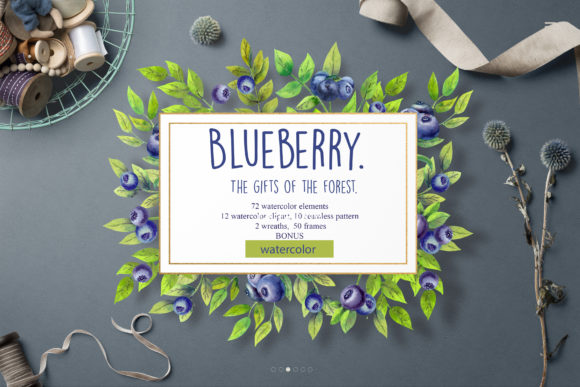
Blueberry the Gifts of the Forest: A Designer Review
When I first opened the file for Blueberry the Gifts of the Forest, I wasn't just looking at a digital image; I was visualizing the finished product sitting on a shelf in a boutique or being held by a customer who just received a handmade gift. As someone who has spent years navigating the fine line between a beautiful illustration and a stitchable reality, my job is to predict how a design will behave under the needle before I commit to a client order or a small shop inventory run. This specific piece falls squarely into the Illustrations category, which immediately tells me it relies heavily on artistic flow rather than rigid geometric shapes. The question isn't just whether it looks good on a screen, but whether Blueberry the Gifts of the Forest translates into a high-quality machine embroidery design that adds value to a finished product.
The First Impression: Mood and Visual Personality
At a glance, this design exudes a cozy, woodland charm that feels perfectly timed for the current market trends. There is a softness to the lines and a whimsical arrangement of elements that suggests nature's bounty without feeling cluttered. For an Etsy seller or a small business owner curating a collection of nursery decor or eco-friendly home goods, the aesthetic is spot-on. It creates an immediate emotional connection with buyers looking for something organic and heartfelt.
However, as a designer, I look past the surface. The layout appears balanced, but the density of the "forest" elements requires careful consideration. If the stitch density is too high in the foliage areas, you risk puckering on lighter fabrics. Conversely, if the details are too sparse, the fill stitch might not hold up well on textured materials like denim or canvas. The visual personality here is gentle and inviting, making it ideal for personalized gifts where the recipient wants to feel a sense of warmth and care.
Real-World Application: From File to Fabric
Let's talk about a real scenario. Imagine you are preparing a custom embroidered tote bag for a local craft fair. You want to feature Blueberry the Gifts of the Forest prominently on the front panel. Tote bags are usually made of sturdy cotton canvas, which is forgiving, but the weight of the fabric can still affect how the hoop sits. When I visualize this tote bag design, I see the potential for a stunning handmade product. The natural theme pairs beautifully with earth-toned thread colors, creating a cohesive look that elevates a simple bag into a statement piece.
Now, consider a different application: sweatshirt embroidery. Here, the challenge increases. Fleece and French terry have a nap and stretch that can distort intricate designs. If you attempt to stitch Blueberry the Gifts of the Forest on a dark grey sweatshirt, you must ensure the contrast is sufficient. The delicate details in the forest elements could get lost if the thread colors aren't carefully selected against the background. In this context, the design works best as a chest pocket placement or a lower hem accent rather than a massive back print, unless you use a heavy-duty stabilizer to prevent distortion.
For parents looking for baby embroidery, this design is a goldmine. Think of a pillow cover for a nursery or a decorative tea towel for a baby shower gift. The soft edges and nature motif fit the "forest baby" trend perfectly. However, because babies wear items that go through frequent washing, the durability of the stitching becomes paramount. You need to verify that the running stitch outlines are secure enough to withstand agitation in the wash without fraying.
Navigating Challenges: Where Caution is Key
While Blueberry the Gifts of the Forest is versatile, it is not a "set it and forget it" file. There are specific situations where you need to exercise caution. First, avoid using this design on very thin or highly stretchy fabrics without significant reinforcement. The weight of the fill stitch in the denser parts of the forest could cause the fabric to pucker or warp, ruining the drape of a garment.
Second, be wary of curved surfaces like caps. While the overall shape might seem adaptable, the detailed corners and smaller elements within the illustration can struggle to follow the curve of a baseball cap panel. You might find that the hoop size required to capture the full detail doesn't fit comfortably on a standard cap frame, leading to registration issues. In such cases, simplifying the design or choosing a flatter area of the hat is often the better route.
Furthermore, if you are working with dark fabrics, you must double-check the embroidery file settings. Light-colored threads on dark backgrounds require precise tension to prevent the backing from showing through the gaps in the stitching. A test run on scrap fabric is non-negotiable here. You also need to inspect small details closely; tiny leaves or berries might disappear if the stitch density is set too low or if the fabric texture is too coarse.
Practical Notes for Professional Execution
To ensure your project succeeds, I always recommend a rigorous testing phase. Before committing to a client's expensive silk blouse or a batch of custom apparel for a craft business, stitch out Blueberry the Gifts of the Forest on a scrap of the actual fabric you intend to use. Check the thread color contrast in person, not just on a monitor. Screens lie; light changes perception.
Review the stitch density settings within your software. Sometimes, reducing the density slightly in the fill areas can improve the drape of the final item while maintaining the visual impact. Confirm the hoop size matches your machine's capabilities and the available space on your product. If you are selling these as digital products or offering them as part of a service, make sure you have the proper licensing. Not all Illustrations come with commercial rights, so clarify this before listing a finished product for sale.
Finally, think about the presentation. How does this design affect the perceived value of your work? A clean, well-executed version of Blueberry the Gifts of the Forest signals professionalism and attention to detail. It builds customer trust and enhances brand consistency for those running a small shop product line. Whether you are creating a holiday embroidery item or a year-round staple, the key is to respect the design's limitations while maximizing its strengths.
Final Thoughts on Commercial Viability
In conclusion, Blueberry the Gifts of the Forest is a strong contender for any portfolio focused on nature-inspired, whimsical aesthetics. It offers a unique blend of artistry and functionality that appeals to modern consumers. However, its success lies in the hands of the maker. By understanding the nuances of fabric texture, stabilizer choice, and thread colors, you can transform this digital embroidery file into a tangible asset that drives sales and delights customers.
Whether you are an experienced apparel decorator or a hobbyist starting a side hustle, taking the time to evaluate the practical aspects of this design will pay off. It is not just about the pretty picture; it is about the quality of the stitch, the durability of the product, and the joy it brings to the end user. With the right preparation and execution, Blueberry the Gifts of the Forest can become a signature piece in your collection, proving that thoughtful design truly makes the difference between a good project and a great one.