Cherry Berry: A Designer's Practical Review
As a designer who has spent years navigating the gap between digital mockups and physical stitched reality, I approach every new machine embroidery design with a critical eye. When I first opened the Cherry Berry file to evaluate it for my upcoming collection of summer accessories, I wasn't just looking for cute graphics; I was looking for structural integrity, stitch logic, and commercial viability. This review breaks down how this illustration performs when moved from the screen to the hoop, specifically for those of us running craft businesses or creating high-end handmade products.
First Impressions: Mood and Visual Personality
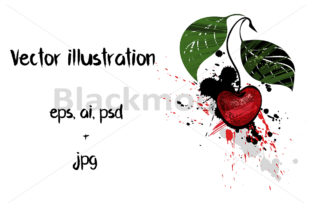
The Cherry Berry design immediately establishes a playful yet sophisticated mood. Unlike many generic illustrations that rely on heavy outlines and flat colors, this piece utilizes a balance of organic shapes and clean lines that suggest depth without overwhelming the fabric. The visual personality is versatile enough to fit into a nursery setting but refined enough for a boutique apparel line. When reviewing the layout, it becomes clear that the artist prioritized flow over excessive detail, which is a crucial factor for successful embroidery. The composition feels balanced, ensuring that when the design is stitched, the eye is drawn naturally across the motif rather than getting stuck in dense, muddy areas.
Real-World Application: From File to Finished Product
To truly test the potential of Cherry Berry, I imagined using it for a custom embroidered tote bag project intended for an Etsy shop launch. Tote bags are a staple for small business owners because they offer a large canvas, but they also present challenges regarding fabric stability and thread tension. In this scenario, the design shines. The bold curves of the fruit motifs would translate beautifully into satin stitch, providing a glossy, premium finish that stands out against canvas or heavy cotton blends. If you are planning to use this as a sweatshirt embroidery design, the slightly larger scale of the elements ensures visibility even from a distance, making it perfect for branding or statement pieces.
Consider also the application on baby items. Parents often seek personalized gifts that feel soft and safe. The rounded edges inherent in the Cherry Berry illustration make it an excellent candidate for baby embroidery on onesies or bibs. Because the design avoids sharp, jagged corners, the risk of snagging delicate skin is minimized, and the stitch density appears manageable enough to keep the fabric breathable. For holiday embroidery projects, such as Christmas stockings or gift tags, the vibrant color palette suggested by the name implies a festive energy that could be easily adapted with seasonal thread colors like deep reds and forest greens.
Navigating Challenges: Where Caution Is Required
While Cherry Berry is robust, no embroidery file is universally perfect. As a professional, I must advise caution when adapting this design for specific constraints. First, consider the hoop size. While the illustration looks great digitally, always confirm the actual dimensions before committing to a project. If you attempt to shrink this design too much for a cap or a small patch, the intricate details may merge, resulting in a loss of definition. Curved surfaces like baseball caps require careful attention to underlay and stabilizer placement to prevent puckering, especially if the design includes dense fill stitch areas.
Fabric texture is another critical variable. On highly textured fabrics like fleece or thick wool, the fine details of the Cherry Berry illustration might get lost. The nap of the fabric can interfere with the needle penetration, leading to uneven stitching. Similarly, on thin or stretchy fabrics, the weight of the thread could cause distortion. In these cases, using a strong tear-away or cut-away stabilizer is non-negotiable. Dark fabrics also demand a different approach; the contrast between the thread colors and the background will determine whether the design pops or fades into the garment. Always test your color choices on a scrap piece of the actual dark fabric to ensure visibility.
Practical Designer Notes for Success
- Test on Scrap Fabric: Never skip the test run. Stitch Cherry Berry on a scrap of your intended material to check for tension issues and registration accuracy.
- Review Stitch Density: Inspect the file settings to ensure the fill stitch isn't too tight, which can stiffen the fabric, or too loose, which can show the backing.
- Check Thread Colors: Evaluate how the default thread colors interact with your fabric. Sometimes swapping a bright accent for a tonal shade elevates the overall look.
- Confirm Licensing: Before selling finished items or digital files, verify the license terms. Ensure you have the right to use this design for commercial embroidery or resale.
- Mockup Testing: Create printable mockups in black and white to see how the shape holds up without the distraction of color. This helps identify any weak points in the outline.
Impact on Brand Value and Customer Trust
For an Etsy seller or a creative entrepreneur, the quality of your embroidery directly impacts customer trust. A well-executed Cherry Berry design signals professionalism and attention to detail. When a customer receives a handmade product where the stitching is crisp, the colors are vibrant, and the placement is precise, they perceive higher value. This design asset allows you to create consistent branding across various products, from aprons to pillow covers. The clarity of the illustration ensures that the final product looks as good in person as it does in your digital listings.
Furthermore, the versatility of this illustration supports brand consistency. Whether you are decorating a kitchen towel or creating a decorative accent on a blanket, the cohesive style of the design reinforces your shop's aesthetic. It bridges the gap between a hobbyist project and a legitimate small shop product. By choosing designs that are technically sound and visually appealing, you reduce the likelihood of returns and increase buyer engagement. Customers appreciate knowing that their purchase is durable and thoughtfully designed, qualities that Cherry Berry embodies when executed correctly.
Final Verdict for Crafters and Business Owners
In conclusion, Cherry Berry is a strong contender for your next embroidery project, provided you respect its technical requirements. It offers a delightful blend of charm and functionality that works well for both personal gifts and commercial ventures. Whether you are preparing a custom apparel line, crafting holiday gifts, or building a portfolio of digital embroidery files, this illustration provides a solid foundation. Remember to always check the stitch count and file compatibility with your specific machine, and invest time in proper stabilization. With these precautions in place, Cherry Berry can become a standout feature in your collection, delivering a finished product that delights customers and enhances your reputation as a skilled maker.