Cue Beagle Dog: A Designer's Practical Review
When I first opened the file for Cue Beagle Dog, I wasn't just looking at a digital outline; I was visualizing the finished stitch on a canvas, a cap, or a child's hoodie. As someone who has spent years curating designs for my own craft business and reviewing assets for small shop owners, I know that a great illustration on a screen does not always translate to a great machine embroidery design in reality. The transition from pixel to thread is where the magic happens, or where projects fail. This review breaks down how this specific beagle illustration performs when moved from the computer into the hoop.
The First Impression: Personality and Composition
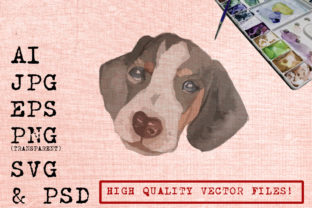
The immediate appeal of Cue Beagle Dog lies in its character. It falls squarely within the Illustrations category, but it avoids the trap of being overly complex. The lines are confident, capturing the distinct droopy ears and curious expression that make beagles so beloved. For an Etsy seller or a boutique owner, this kind of visual personality is currency. Customers don't just buy a logo; they buy a mood. This design screams "friendly," "playful," and "homey."
However, as a designer, I immediately started analyzing the negative space and the flow of the shapes. In embroidery, every curve needs to be supported by the right stitch type. Does the snout rely too heavily on tiny fill stitches that might get lost on a textured fabric? Are the eyes defined enough to stand out against a dark sweatshirt background? The layout suggests a balanced composition, which is excellent for centering on a tote bag or placing above a pocket on a denim jacket. It feels like a design that was drawn with the needle in mind, not just the mouse.
Real-World Application: From File to Finished Product
Let's talk about a real scenario. Imagine you are preparing a custom embroidered tote bag for a local dog rescue fundraiser. You need something that looks professional but approachable. Cue Beagle Dog fits this brief perfectly. When stitched on a sturdy cotton canvas, the design should hold up well, provided you use the correct stabilizer. The clean lines likely utilize a mix of satin stitch for outlines and fill stitch for the body, creating depth without overwhelming the fabric.
I can also see this working beautifully as a baby embroidery project. Think of a personalized onesie or a soft pillow cover for a nursery. The gentle curves of the beagle's face are forgiving on knit fabrics, which is crucial because stretchy materials can distort rigid designs. If you are a parent making a personalized gift, this design adds a touch of whimsy that mass-produced items lack. It elevates a simple garment into a keepsake.
For the apparel decorator running a small shop, consider using this on a high-quality fleece sweatshirt. Placing the beagle on the chest creates a focal point that draws the eye. The design's simplicity means it won't look cluttered even if you add a small text line below it, such as "Good Boy" or a family name. This versatility makes it a strong asset for your catalog of custom apparel.
Navigating Challenges: Where Caution Is Needed
Despite its strengths, no design is universally perfect without adjustment. There are specific situations where Cue Beagle Dog requires extra attention. If you are planning to embroider this on a thin t-shirt or a delicate tea towel, the stitch density could be an issue. High density on thin fabric causes puckering, ruining the drape of the material. Always test the design on scrap fabric first to ensure the tension is balanced.
Another critical area is the hoop size. While the illustration looks compact, you must confirm the actual dimensions before committing to a small patch or a curved surface like a baseball cap. Curved surfaces can compress the bottom of the design, potentially distorting the beagle's legs or tail. If you are making an embroidered patch, ensure the outer edges are clean and do not require excessive trimming after stitching.
Color choice is another variable. On dark fabric, the default thread colors might not provide enough contrast. You may need to adjust the thread colors manually in your software to ensure the details remain visible. Similarly, if the design includes very fine details like whiskers or tiny eyelashes, these might disappear on a heavy fabric texture like wool or thick canvas. In those cases, simplifying the digitization slightly or choosing a lighter fabric is advisable.
Impact on Brand Value and Customer Trust
For the craft business owner, the quality of your embroidery directly impacts your brand reputation. A poorly executed design leads to returns and bad reviews. Cue Beagle Dog, when used correctly, enhances the perceived value of your handmade product. It signals that you care about detail and aesthetics. Whether you are selling holiday gifts or everyday accessories, a crisp, well-stitched image builds customer trust.
Think about the unboxing experience. A customer receiving a sweatshirt with this design should feel the weight of the threads and the precision of the stitches. It transforms a generic item into a statement piece. For Etsy sellers, this level of quality is what drives repeat business and positive engagement. It shows professionalism and an understanding of how digital files translate into physical goods.
Practical Notes for Designers and Makers
Before you start stitching or listing this as a digital product, here are my essential recommendations:
- Test Stitch First: Never skip the test run on a similar fabric to your final project. Check for skipped stitches or thread breakage.
- Check Licensing: Confirm whether the license allows you to sell finished items or if it is strictly for personal use. Many commercial embroidery projects require specific permissions.
- Review Density: Inspect the file settings. If the fill is too dense, reduce it slightly to prevent puckering on softer garments.
- Mockup Verification: Use printable mockups or digital previews to visualize the design on light and dark backgrounds before purchasing thread.
- Stabilizer Selection: Match your stabilizer to the fabric weight. A tear-away works for stable cottons, while a cut-away is better for knits and stretchy materials.
- File Format Check: Ensure the embroidery file format matches your machine capabilities. Most modern machines handle standard formats, but older models may need conversion.
In conclusion, Cue Beagle Dog is a robust addition to any designer's library. It balances charm with technical feasibility, making it suitable for everything from holiday embroidery to year-round boutique merchandise. By respecting the limitations of the medium and testing thoroughly, you can turn this digital illustration into a stunning, high-value finished product that customers will love.